




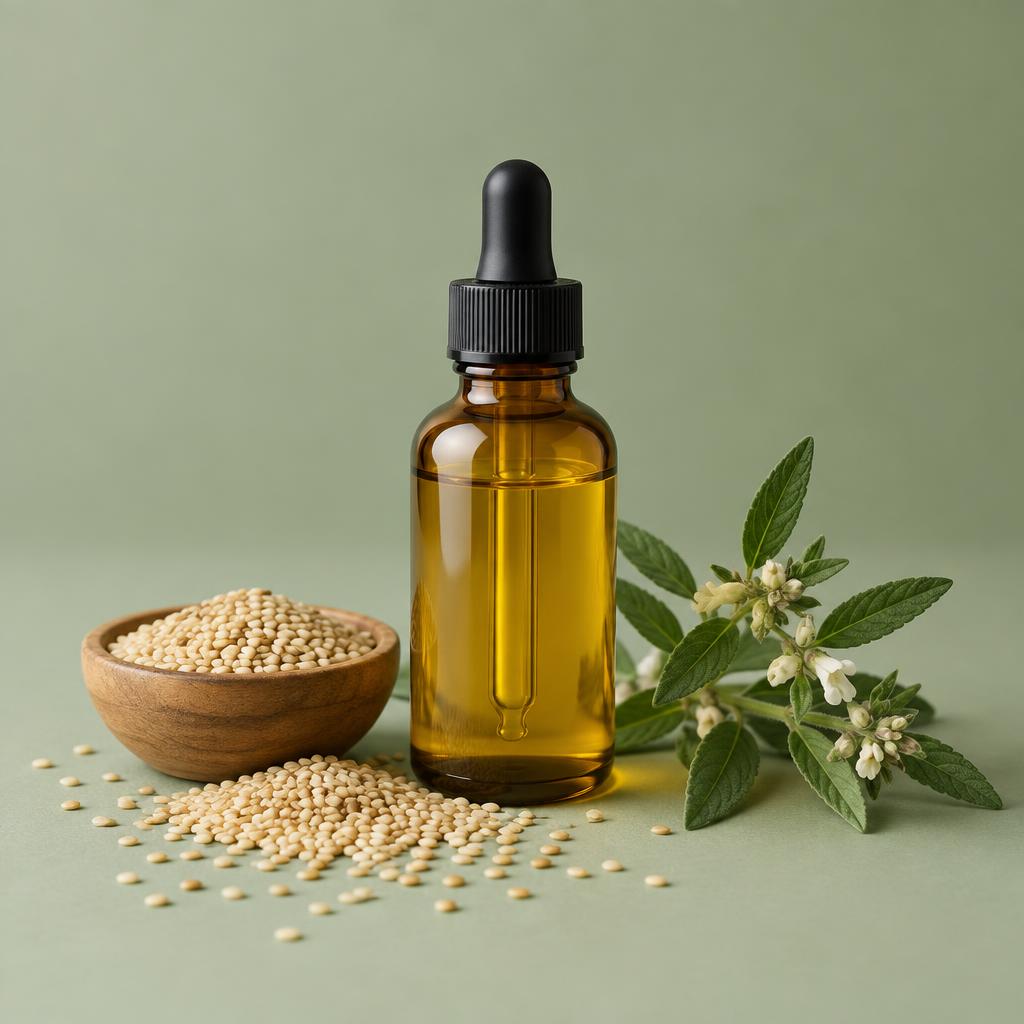
Plain sesame or a herbal blend?
Plain sesame oil has a simpler ingredient list. Vata-oriented herbal oils combine a base oil with herbs; ingredients vary by maker, so the word “Vata” alone does not tell you what is in the bottle. Skip sesame products if you have a sesame allergy and seek advice on a suitable alternative.
What does Vata mean here?
In Ayurvedic tradition, Vata is associated with movement and qualities such as dryness and cold. A warm, unhurried oil massage is traditionally used as a counterbalance. These concepts guide a wellness ritual; they do not diagnose the cause of dry skin, pain or sleep problems.
How to choose safely
- Check the full label for base oils, herbs, fragrance and allergens.
- Patch-test first; stop if irritation occurs.
- Use comfortably warm rather than hot oil, and only on intact skin.
- Ask a qualified clinician if you are pregnant, unwell, recovering from surgery or unsure whether massage is safe.
Sources & product details
See Banyan Botanicals' traditional self-massage guide and its Vata massage oil description. Manufacturer descriptions are not independent clinical evidence.